 ReactionTimeTests
Color Reaction Time Test
Click only when the screen turns green — ignore red, blue, and yellow. Tests selective attention and color discrimination, the same skills measured in classic Stroop research.
Color Reaction Test
Click ONLY when the screen turns GREEN
What is a Color Reaction Time Test?
A color reaction time test measures how quickly you can identify a target color and respond while ignoring other colors. Unlike a simple click test where any visual change triggers a response, this test requires your brain to make a discrimination — the screen flashes red, blue, yellow, and green, but you only click for green. Wrong-color clicks count as errors.
This combines two skills: color recognition (identifying which color appeared) and selective attention (suppressing the impulse to click on non-target colors). Both tasks recruit the prefrontal cortex and visual cortex working together, which is why color reaction times are 30-80ms slower than simple click reaction tests.
Color Reaction vs Simple Reaction Time
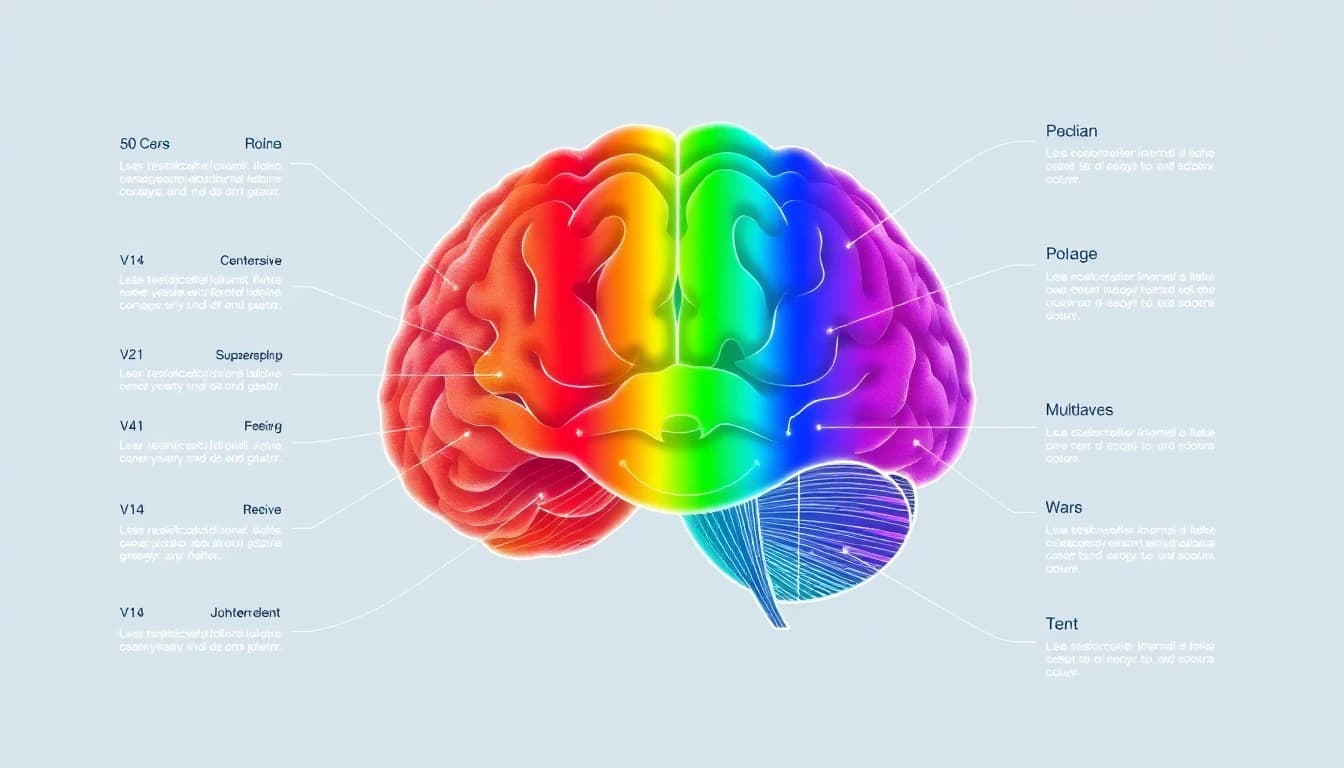
Simple reaction tests measure raw neural-motor speed — see any change, click anywhere. Average score: 200-250ms. Color reaction adds a discrimination step: identify the color → decide whether to act → click. That extra cognitive layer adds 30-80ms in adults, more in children whose prefrontal cortex is still developing.
This makes color reaction tests popular in cognitive research and ADHD assessments. Difficulty inhibiting wrong-color clicks correlates with attention deficits, while abnormally slow color reaction (above 500ms with normal vision) can be an early indicator of mild cognitive impairment in older adults.
Color Reaction Time Benchmarks
Reaction Time by Color
Not all colors are processed at the same speed. Your retina has three types of cone cells (S, M, L) sensitive to short, medium, and long wavelengths. Red and green stimulate the most abundant cone types and produce the fastest reactions. Blue is processed slightly slower because S-cones are rarer.
Average Reaction Time (ms) by Color Stimulus
Data based on aggregated benchmark tests with normal trichromatic vision. Color blind users may show different patterns depending on the type of color vision deficiency.
Factors That Affect Color Reaction Time
Color Vision Type
Red-green color blindness (~8% of men, 0.5% of women) makes red and green discrimination slower or impossible. Tritanopia (blue-yellow blindness) is rarer but affects similar tasks.
Screen Brightness and Calibration
Dim screens slow color discrimination by 50-100ms. Uncalibrated screens can shift color hues enough to confuse the brain. Test on a properly calibrated display in normal indoor lighting.
Age
Color reaction time peaks in your 20s. Beyond 60, lens yellowing reduces blue sensitivity and slows reaction by 30-80ms even with normal cone function.
Attention and Fatigue
Tired or distracted users score 50-150ms slower and make more wrong-color errors. Selective attention is one of the first cognitive functions to degrade with sleep loss.
Practice Effect
Repeated testing builds anticipation patterns. Most users see 30-50ms improvement over the first 20 trials before plateauing — this is real learning, not just warm-up.
Color Itself
Red and green are 20-40ms faster than blue. Yellow lies between. This wavelength-dependent speed difference is consistent across studies and reflects retinal cone distribution.
How to Improve Your Color Reaction Time
Color reaction time is partly biological (cone cell sensitivity, lens clarity) and partly trained. Most users improve 30-60ms with focused practice over 2-4 weeks.
Calibrate your monitor. Wrong gamma or color profiles slow color discrimination. Use built-in OS calibration or a hardware colorimeter for serious gaming setups.
Test in consistent lighting. Bright daylight or evening room light both work, but switching between them mid-session adds noise to your scores.
Practice selective attention games. Tasks like "don't click the red" or whack-a-mole train the same prefrontal inhibition circuits as color reaction tests.
Get an eye exam if scores are unusually slow (above 400ms with normal effort). Undetected color vision deficiency or early cataracts can be the cause, not slow reflexes.
Avoid screen glare. Reflections force your eyes to filter out distractions, taxing the same attention system the test measures.
Sleep 7-9 hours before serious testing. Selective attention is one of the most sleep-sensitive cognitive functions — fatigue costs you 50-150ms instantly.
Try the Stroop Test for an advanced challenge. While color reaction tests speed, Stroop tests cognitive inhibition under conflicting information — a complementary skill for executive function training.
Where Color Reaction Speed Matters
Driving and Traffic Signals
Recognizing red brake lights or green go signals is a real-time color reaction task. Drivers with slow color reaction (or color blindness) have measurable difficulty with traffic signal response time.
Aviation Cockpits
Pilot color discrimination is tested as part of medical certification. Cockpit warning lights use red, amber, and green coding — fast accurate response prevents accidents.
Sports and Officiating
Tennis line judges, soccer assistant referees, and target shooters all rely on color-coded visual information at speeds where 50ms differences matter for correct calls.
Cognitive Health Screening
Slowing color reaction in older adults can be an early marker of mild cognitive impairment. Some clinical batteries include color choice reaction time as a screening tool.
The Science of Color Discrimination
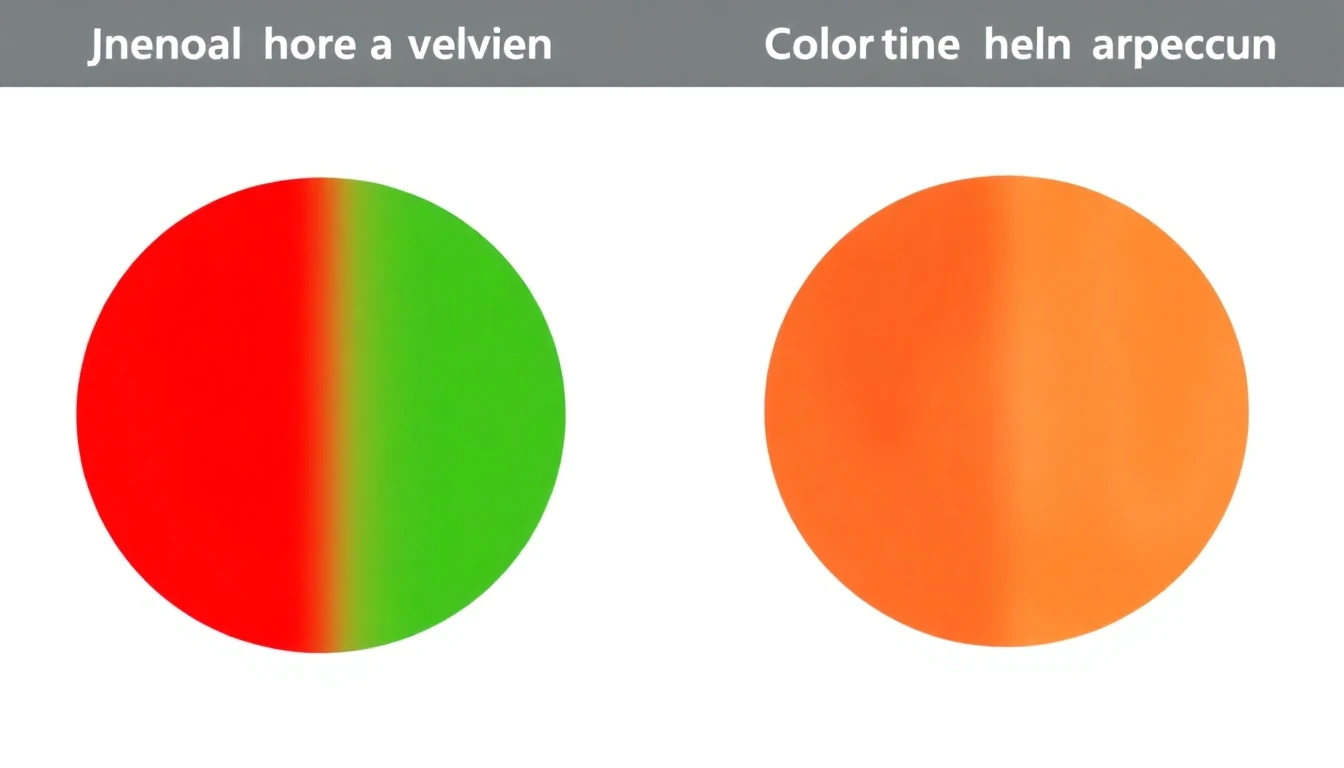
Light hits photoreceptors in your retina (1-2ms), where three cone types respond to different wavelengths: S-cones (~420nm, blue), M-cones (~534nm, green), L-cones (~564nm, red). The signal travels through the optic nerve to V1 (primary visual cortex, ~30ms) and then to V4, the color-processing region (~50-80ms). Only after V4 identifies the hue does the prefrontal cortex decide whether to act.
Color reaction time research dates back to Cattell (1886) and was systematized by Donders' subtraction method. Modern studies including Sokolov (2001) confirm that the discrimination step adds 30-80ms compared to simple reaction. The classic Stroop test (Stroop 1935) extends this further by testing what happens when color information conflicts with word meaning — a separate but related cognitive control task.
Color Reaction Time Test FAQ
Common questions about color recognition speed and what your score means.
Under 300ms is excellent. Most adults score 250-350ms on color reaction time tests. Elite gamers and athletes hit 200-250ms. Scores under 200ms with high accuracy are rare — they typically indicate exceptional selective attention skills.
Simple reaction measures pure neural-motor speed (200-250ms average). Color reaction adds a discrimination step — your brain must identify the color before deciding to act, adding 30-80ms. This is documented in Donders' subtraction method dating back to 1869.
Red and green produce the fastest reaction times (around 230-260ms average) because they stimulate the most abundant cone types in your retina (L-cones and M-cones). Yellow is slightly slower. Blue is the slowest because S-cones are rarer in the retina.
Yes, especially red-green color blindness (affecting ~8% of men). If green and red appear similar to you, the test produces inaccurate results — you may slow down or click wrongly on red. About 1 in 12 men have some form of red-green color vision deficiency.
Both tests measure how the brain handles color information, but they isolate different skills. This color reaction test measures pure color discrimination speed. The Stroop test measures cognitive inhibition under conflicting information (the color word "RED" written in blue ink). Stroop is used in clinical neuropsychology; this color reaction test is more general-purpose.
Some research suggests yes. Slowing color choice reaction time in older adults correlates with mild cognitive impairment in longitudinal studies. However, a single test result is not diagnostic — consult a neuropsychologist if you're concerned about cognitive changes.
Calibrate your monitor, test in consistent lighting, get adequate sleep, practice selective-attention games, and rule out vision problems with an eye exam if scores are unusually slow. Most users improve 30-60ms over 2-4 weeks of focused practice.
Wrong-color errors usually indicate impulsive responding rather than perception problems. You're reacting before identification completes. Slow down, prioritize accuracy over speed, and your reaction time will paradoxically improve as you stop wasting trials on errors.
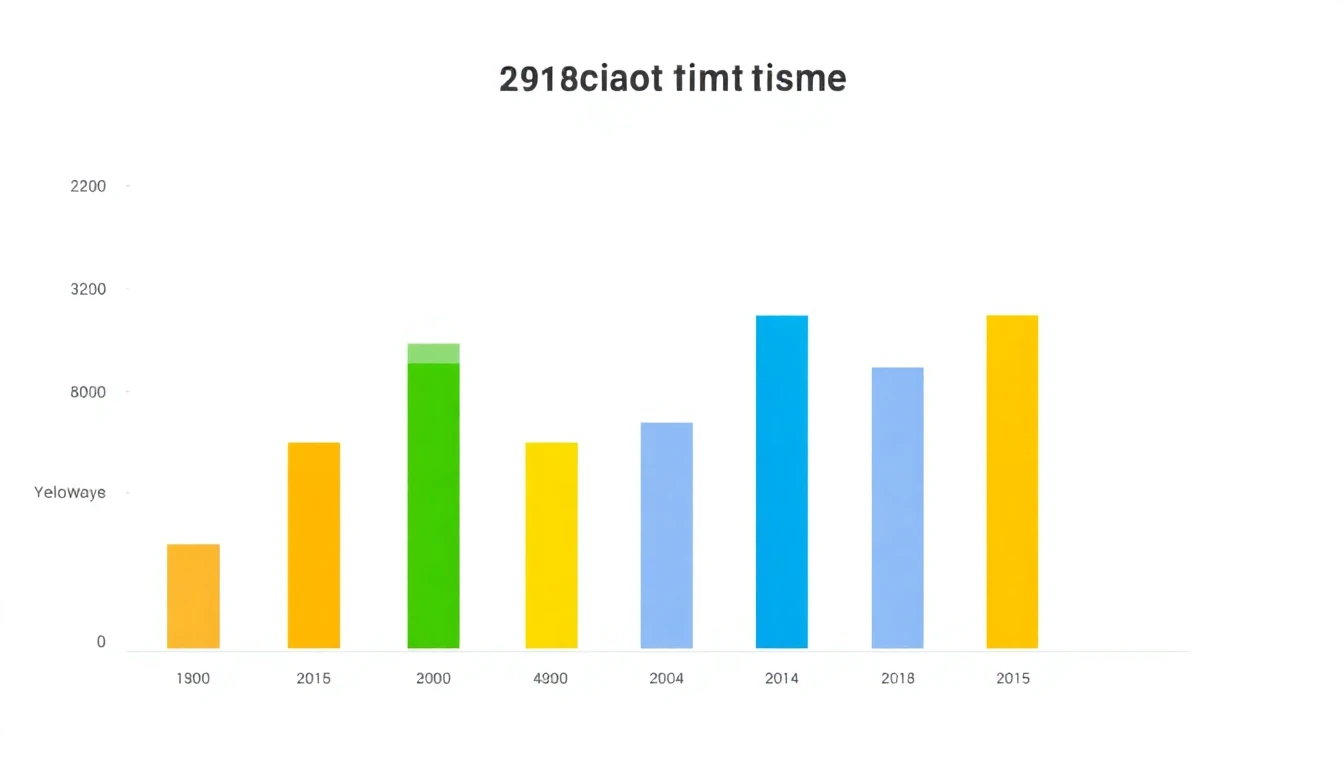
The average adult color reaction time is 250-350ms across all colors. Specific colors vary: red 230-260ms, green 240-270ms, yellow 260-290ms, blue 280-320ms. Children and older adults score 50-100ms slower than the prime 20-40 age range.
Iris color does not affect color reaction time. Cone cell function is independent of iris pigmentation. However, light-eyed individuals may have slightly higher photosensitivity in bright conditions, which is unrelated to color discrimination speed.