 ReactionTimeTests
Reaction Time Blog
Deep-dive articles on reaction time science, age-related changes, training methods, and how elite athletes hit their scores.

Does Caffeine Improve Reaction Time? What the Studies Actually Show
Caffeine really does speed reaction time — by about 5-15ms. But alcohol and sleep loss hurt it far more than caffeine helps. Here's what the evidence shows.

What Is the Fastest Possible Human Reaction Time? The 100ms Limit
The fastest a human can truly react is about 100ms — and it's fixed by biology, not talent. Here's the neural math behind the limit and why you can't beat it.

Gamer Reaction Time: What's Fast, What's Average, and How Pros Compare
Pro gamers average 150-180ms — but the gap to a good amateur is smaller than you'd think. Here's what fast really means in Valorant, CS, and FPS, by tier.

How to Improve Your Reaction Time: 9 Methods That Actually Work
Want faster reaction time? Sleep alone swings your score 100ms — more than 40 years of aging. 9 research-backed methods ranked by real impact.

How to Measure Reaction Time: Methods, Accuracy, and Why Screens Lie
Measuring reaction time sounds simple — but your screen adds 10-50ms of hidden lag. Here's how each method works, what's accurate, and how to test properly.

How to Train Reaction Time: Drills, Apps, and a 4-Week Plan
Reaction training works — but only for the exact task you drill. Here's a 4-week plan, the drills that transfer, and which reaction apps are worth your time.

Human Benchmark Reaction Time: How to Read Your Score and Beat It
Got a Human Benchmark reaction score? The median is ~273ms and under 200ms is top-tier. Here's what your number means, why it varies, and how to lower it.

Mental Chronometry Explained: The Science Behind Reaction-Time Tests
Mental chronometry uses reaction time to measure thought itself. From Donders in 1868 to modern cognitive science — here's how timing the mind actually works.

What Is a Good Reaction Time? Benchmarks by Age, Sport, and Percentile
A good reaction time for most adults is 200-250ms. Under 200ms is elite. Here's exactly what counts as good by age, sport, and percentile — with the data.

World Record Reaction Time: The Fastest Humans Ever Measured
What's the fastest reaction time ever recorded? The human floor sits near 100ms — sprinters, drivers, and gamers all crowd against it. The real data.
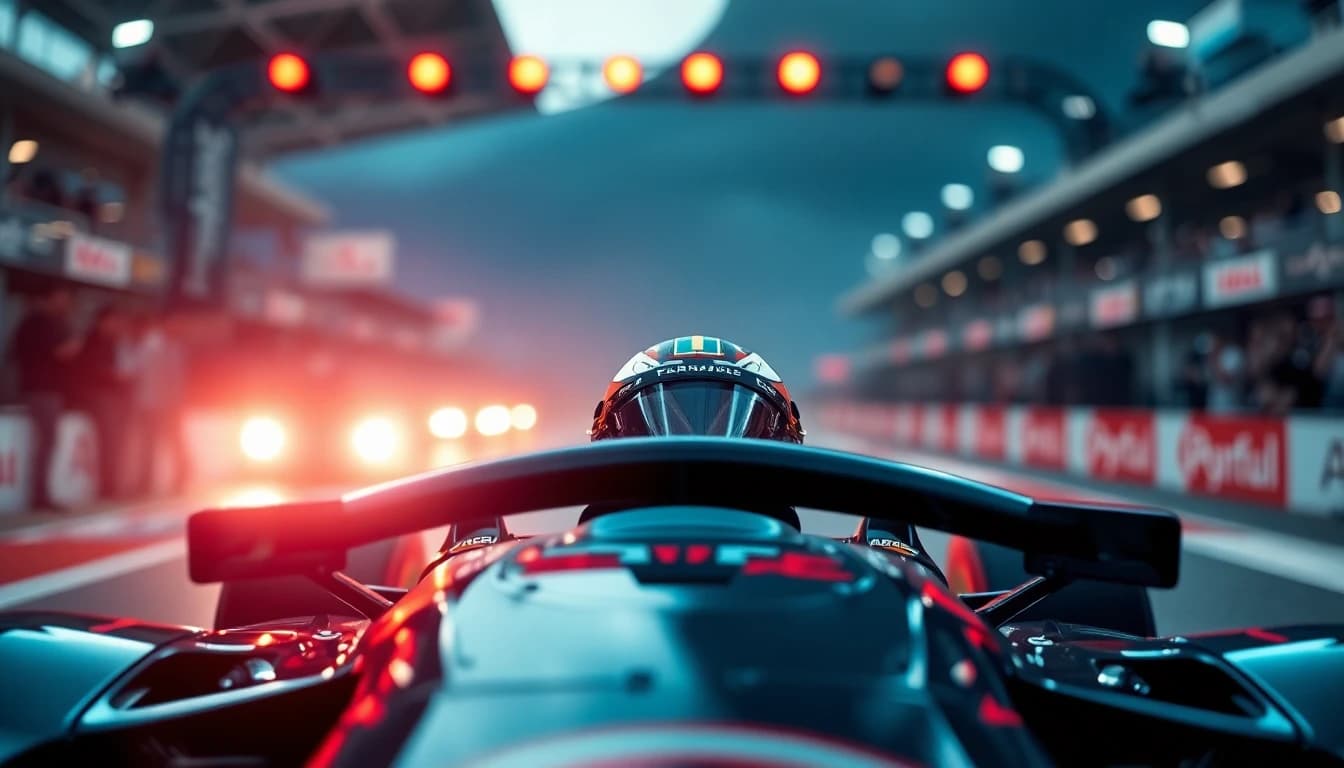
F1 Driver Reaction Time vs Average Person: The Real Data (Not the Myths)
Formula 1 drivers don't have superhuman reactions. The data shows their lights-to-launch times average ~200ms — only ~50ms faster than a healthy adult. The real edge isn't speed; it's what they do with information after they react. Here's what FIA telemetry, sports-science studies, and direct testing actually show.
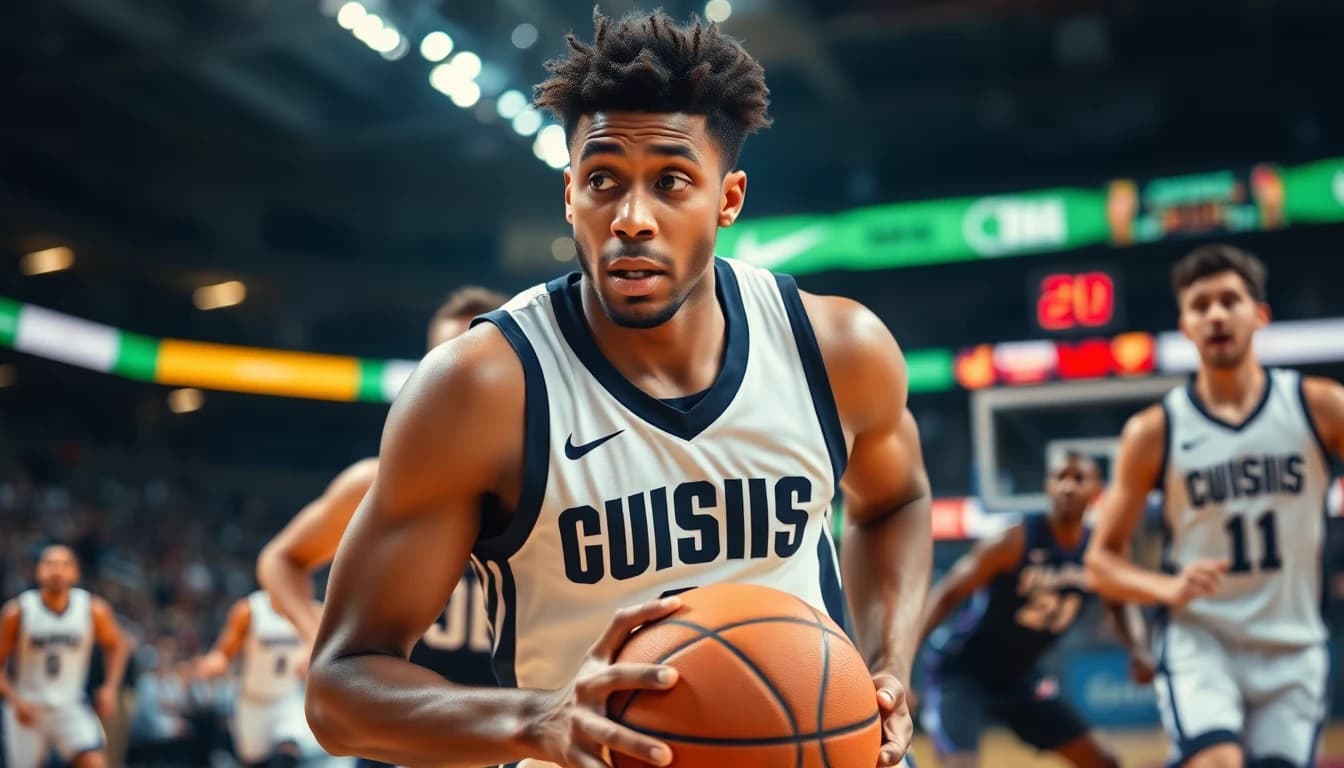
NBA Player Reaction Time: How Fast Are They Really? (The Data)
NBA players don't have faster simple reaction times than the average healthy adult — published research consistently shows them within 5-10 ms. The real edge is decision speed, pattern recognition, and reading the play 300 ms before it develops. Here's what the sports-science literature actually shows about Curry, LeBron, and elite NBA reflexes.

Reaction Time by Age: Average Scores from 10 to 80+ (With Data)
Reaction time follows a predictable curve across your lifetime — peaking around age 24, then slowing ~1ms per year. Here's exactly what scores look like at each age, why they change, and what you can do about it.